






Understanding the credit utilization ratio is essential because it indicates how much debt you're using against your available credit limits. This serves as a gauge of how significantly interest rates will increase when borrowing funds. For example, if your debt exceeds 40% of your credit limit, the cost of borrowing becomes more expensive due to higher interest and fees.
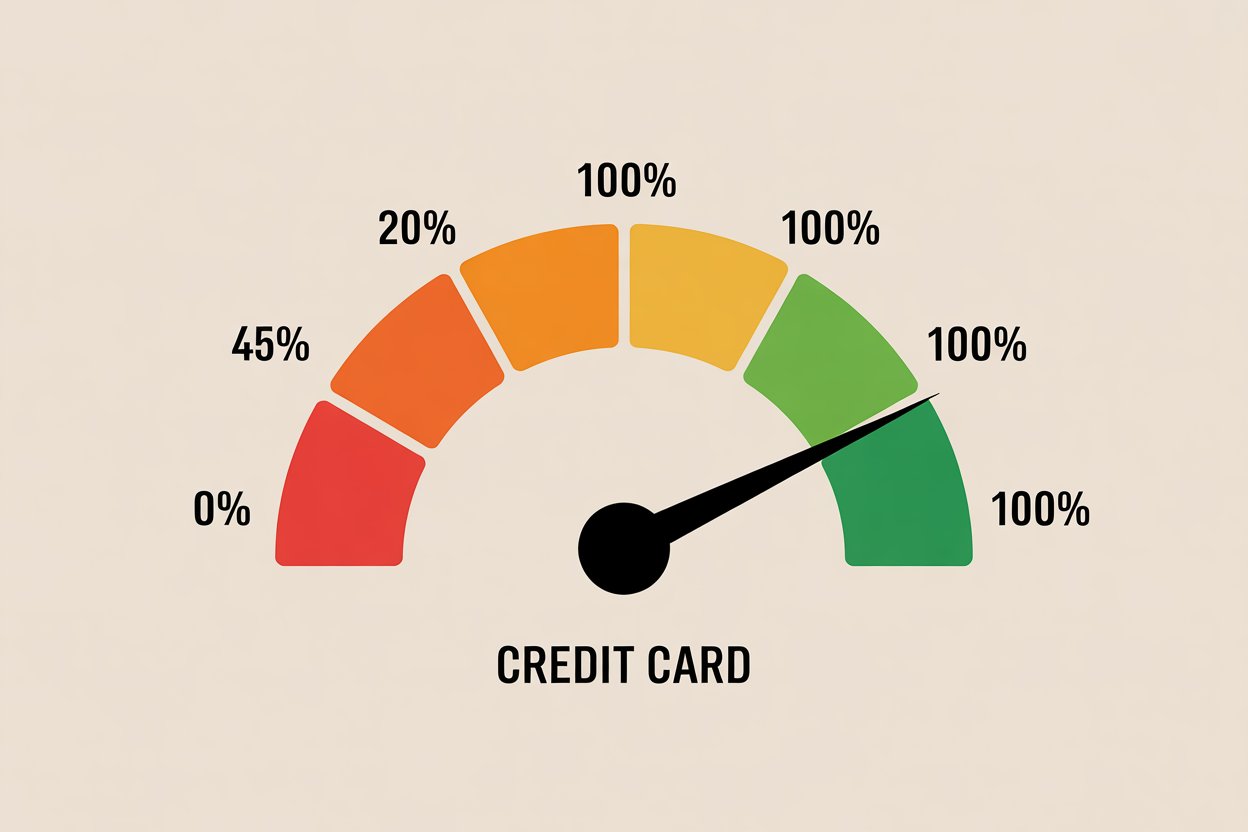 Understanding the Credit Utilization Ratio: What It Is And Why It Matters
The Credit Utilization Ratio is a financial metric that measures how much debt you have relative to your credit limits. It’s crucial for assessing your financial health, particularly in relation to credit scores and overall financial stability.
### What is the Credit Utilization Ratio?
The Credit Utilization Ratio (CIR) is calculated by dividing total outstanding debt by the maximum allowable debt based on your credit limit. For example, if your credit limit is $20,000 and you have a balance of $10,000, your CIR would be 50%.
### How to Calculate It
To calculate your CIR:
1. Determine Your Total Debt: Add up all your current debt obligations.
2. Identify Maximum Creditable Balance: Find the credit limit on each credit line or card.
3. Compute the Ratio: Divide total debt by maximum allowable credit balance.
### Why It Matters
A lower CIR indicates that you're using less of your available credit, which can improve your credit score and reduce the risk of late payments or financial instability. A well-controlled CIR helps you maintain easy access to credit, such as loans or mortgages, while also keeping your overall debt manageable.
#### Benefits of Keeping a Low CIR
- Improved Credit Scores: Lower utilization often correlates with higher credit scores, making it easier to secure credit cards and mortgages.
- Enhanced Financial Stability: A low CIR reduces the risk of financial difficulties due to late payments or high balances.
- Long-Term Benefits: Having lower debt levels can lead to better investment returns and improved savings prospects.
#### Common Mistakes
While keeping a low CIR is good, it's important to avoid:
- Overloading Your Credit Limits: This can lead to overspending.
- Spending Without Access to Credit: Only use your credit cards when necessary, as excessive spending can increase debt.
- Neglecting to Monitor and Adjust Your Spending: Keeping a low CIR requires consistent monitoring of all spending.
### Real-World Applications
Many people overlook the importance of the CIR but benefit from it. For example:
- A high CIR might indicate poor financial management, leading to overspending.
- Lower CIRs can help in building long-term savings and improving overall creditworthiness.
### Conclusion
The Credit Utilization Ratio is a vital tool for assessing your financial health. Keeping it below 30% is generally considered good, as it indicates efficient use of available credit. By maintaining this ratio, you can enhance your credit score, improve financial stability, and enjoy better access to credit options in the future.
### Key Takeaways
- Definition: The Credit Utilization Ratio measures how much debt you have relative to your credit limits.
- Calculation: Divide total outstanding debt by the maximum allowable balance.
- Benefits: Lower CIR improves credit scores, enhances financial stability, and boosts long-term financial security.
- Common Mistakes: Avoid overdrawing credit limits, spending without access to credit, and neglecting monitoring of all spending.
By understanding and managing your Credit Utilization Ratio, you can make informed decisions that lead to better financial outcomes.
------
#CreditScores #buildcredit #Creditscore #creditutilization #creditutilizationchart #creditutilizationratio #creditutilizationratiocalculator #goodcreditutilization #loweringcreditutilization
Topic Live