




Why Soft Skills Matter More Than Ever in Education.
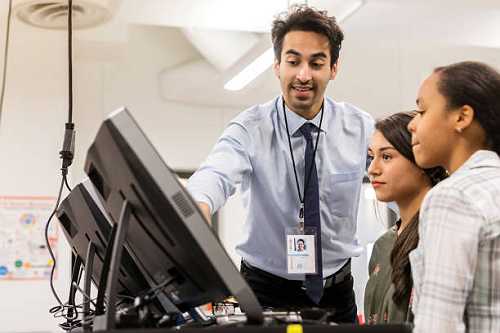 The Importance of Soft Skills in Modern Education
In the dynamic world we live in, our ability to think critically, solve problems creatively, communicate effectively, collaborate effectively, and adapt to change plays an equally important role as traditional academic skills. While academic abilities are essential for understanding concepts, they often overshadow soft skills as time progresses. This article explores why soft skills matter more than academic skills in education.
1. Problem-Solving and Critical Thinking
Academic skills like reading, mathematics, and science form a foundation, but problem-solving extends beyond textbooks. In real-life scenarios, problems aren't always straightforward. For instance, diagnosing a malfunctioning electronic device or identifying the root cause of a business issue requires analytical thinking. These soft skills train students to approach challenges systematically and logically.
2. Creativity and Imagination
Creative thinking is vital in innovation. In education, encouraging students to express their ideas through art, music, or debate fosters imagination. This skill isn't just about seeing the bigger picture but also about proposing solutions that others may not have considered. It prepares students for collaborative problem-solving and teamwork.
3. Collaboration and Teamwork
Effective communication is crucial in group projects, presentations, and even everyday decisions. Students learn to listen to diverse perspectives, respect others' viewpoints, and work together toward a common goal. This skill enhances their ability to function independently when faced with challenges.
4. Adaptability and Change
In an ever-changing world, adaptability is key. Students who can quickly shift strategies or respond to new information are more prepared than those who remain rigid. Whether in the workforce or personal life, this skill ensures they can adjust to societal changes efficiently.
5. Empathy and Understanding Others' Perspectives
Understanding others' feelings and viewpoints fosters empathy. This ability helps students communicate better, work harmoniously with others, and resolve conflicts constructively. It also prepares them for social interactions in the future.
6. Communication and Sharing Ideas
Effective communication is a cornerstone of learning and collaboration. Students who can articulate their thoughts clearly convey ideas are more likely to succeed in academic settings or professional environments. It also enhances their ability to express empathy and work collaboratively with others.
7. Cultural Competence and Diverse Backgrounds
In global contexts, understanding cultural nuances is essential. While academic skills provide a common language, soft skills like cultural competence ensure students appreciate different perspectives and contribute constructively to diverse groups.
Conclusion
While academic skills are indispensable, teaching soft skills ensures they're not just tools but the glue holding us together in change. A balanced education prepares students for life's unpredictability by fostering critical thinking, creativity, collaboration, adaptability, empathy, communication, and cultural awareness. Emphasizing both sets the stage for success beyond the classroom, making education a cornerstone of preparedness in an ever-changing world.
------
#Education #News #Opinion #SN #Tech/Internet #WeeklyColumns
Topic Live