




Slowing Population Growth: A $100 Billion Blow to the US Economy
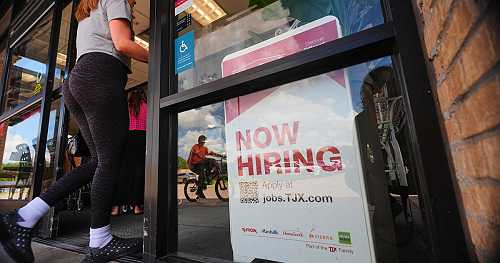 The United States is facing a daunting challenge: slowing population growth. According to a recent analysis, this trend could reduce the country's GDP by a staggering $100 billion in 2026. But what does this mean for the economy, and how will it impact everyday Americans?
A Shrinking Workforce
The number of new U.S. residents dropped to 1.8 million in 2025, down from 3.2 million in the prior year. This 'growth gap' of 1.4 million people would have contributed an additional $86 billion in household spending and supported 741,500 jobs, according to Implan's analysis. The impact is already being felt, with industries reliant on new household formation – such as housing, construction, and healthcare – taking a hit.
A Silver Lining?
While slower population growth may seem like a negative trend, it could actually have some benefits. For one, it might ease upward pressure on housing prices, making homeownership more attainable for millions of would-be buyers currently priced out of the market. However, this is only a temporary reprieve if mortgage rates remain relatively high.
A Call to Action
The trend of slower population growth means that U.S. businesses and policymakers should focus on boosting worker productivity and increasing labor force participation. 'Population growth isn't just a demographic statistic – it's a driver of economic activity,' notes Nadège Ngomsi, an economist at Implan. 'When growth decides to slow sharply, spending slows, job creation slows, and these effects ripple through the local economies.'
The slowing population growth in the United States is a wake-up call for policymakers and businesses alike. While it may seem like a daunting challenge, there are opportunities for growth and innovation. By focusing on boosting worker productivity and increasing labor force participation, we can mitigate the effects of slower population growth and build a stronger economy for all Americans.
Topic Live