




Trade War Escalation: Trump Threatens Canada with 50% Tariff on Aircraft
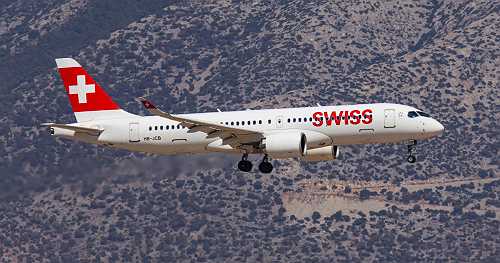 In a move that has sent shockwaves through the global trade community, President Donald Trump has threatened to impose a 50% tariff on any aircraft sold in the United States by Canadian manufacturers. This latest salvo in the ongoing trade war between the two nations has left many wondering what this means for the future of international trade and the aerospace industry.
Trump's Threat: A Response to Canada's Refusal to Certify Jets
According to sources, Trump's decision was sparked by Canada's refusal to certify jets from Savannah-based Gulfstream Aerospace. In response, Trump took to social media to announce that the U.S. would decertify all Canadian aircraft, including planes from Quebec-based Bombardier, one of the largest aircraft manufacturers in Canada.
The Impact on the Aerospace Industry
With over 400 Canadian-made aircraft flying to or from U.S. airports every day, this move has significant implications for the aerospace industry. Bombardier, which employs around 3,000 people in the U.S., has expressed concern about the potential impact of Trump's tariff on air traffic and the flying public.
A History of Trade Tensions
This latest development is just the latest chapter in a long-standing trade dispute between the two nations. In 2017, the U.S. Commerce Department imposed duties on Bombardier's CSeries commercial passenger jet, citing unfair government subsidies and artificially low prices.
A Global Trade War?
As tensions between the U.S. and Canada continue to escalate, many are left wondering what this means for the future of international trade. With Trump's threat of a 100% tariff on goods imported from Canada if it goes forward with a planned trade deal with China, some are speculating that we may be witnessing the beginning of a global trade war.
As the situation continues to unfold, one thing is clear: the future of international trade and the aerospace industry hangs in the balance. With tensions between the U.S. and Canada at an all-time high, it remains to be seen what the long-term consequences of this trade war will be.
Topic Live