



The Unseen Struggle: Black Women Face Prolonged Unemployment
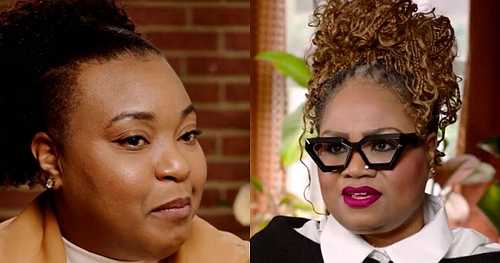 As the US economy continues to recover from the pandemic, a disturbing trend has emerged. Despite the overall unemployment rate dropping to 4.4%, Black women are facing unprecedented challenges in finding employment. With their jobless rate soaring to 7.3%, it's clear that something is amiss. We spoke with two women who have been affected by this trend, and what they shared is both heartbreaking and infuriating.
The Alarming Numbers
According to the latest jobs report, Black women are facing a staggering 7.3% unemployment rate. This is not just a statistic; it's a reality that affects thousands of lives every day. The numbers are stark: while the overall unemployment rate has decreased, the gap between Black women and their white counterparts has widened. It's a trend that demands attention and action.
The Human Cost
We spoke with two women who have been struggling to find employment. Their stories are a testament to the human cost of this trend. 'I've applied to countless jobs, but no one seems to want to hire me,' said one woman. 'It's like I'm invisible.' The other woman shared her experience: 'I've had to take on multiple part-time jobs just to make ends meet. It's exhausting and demoralizing.' Their words paint a picture of frustration, desperation, and hopelessness.
The Root Causes
So what's behind this trend? Experts point to systemic racism, bias in hiring practices, and lack of opportunities for Black women. 'It's not just about education or skills,' said one expert. 'It's about the networks, connections, and experiences that are often denied to Black women.' The issue is complex, but the solution is clear: we need to address these underlying issues head-on.
A Call to Action
The struggle of Black women in the workforce is not just a statistic; it's a human rights issue. We must acknowledge the problem and work towards a solution. Employers, policymakers, and individuals can all play a role in creating a more inclusive and equitable workplace. It starts with recognizing the value and worth of every individual, regardless of their background or identity.
The unemployment rate for Black women is a symptom of a larger issue: systemic racism and bias in the workforce. We must work together to create a more just and equitable society. By acknowledging the problem and taking action, we can begin to address this trend and provide opportunities for all individuals to thrive.
Topic Live